The two riskiest times in crucial conversations tend to be at the beginning and at the end. The beginning is risky because you have to find a way to create safety or else things go awry. The end is dicey because if you aren’t careful about how you clarify the conclusion and decisions, you can run into violated expectations later on.
While is true that you can’t force others to dialogue, you can take steps to make it safer for them to do so. After all, that’s why they’ve sought the security of silence or violence in the first place. They’re afraid that dialogue will make them vulnerable. Somehow they believe that if they engage in real conversation with you, bad things will happen to them.
When it comes to sharing touchy information, the worst alternate between bluntly dumping their ideas into the pool of meaning and saying nothing at all. Either they start with, “You’re not going to like this, but, hey, somebody has to be honest…”(a classic Fool’s Choice), or they simply stay mum. Those who are good at dialogue say some of what’s on their minds, but they understate their views out of fear of hurting others. They talk all right, but they carefully sugarcoat their message. The best at dialogue speak their minds completely and do it in a way that makes it safe for others to hear what they have to say and respond to it as well. They are both totally frank and completely respectful.
The worst at dialogue fall hostage to their emotions, and they don’t even know it. The good at dialogue realize that if they don’t control their emotions, matters will get worse.
Let’s define 2 terms, related to Crucial Conversations: * Content – the topic of the conversation / under discussion / message * Conditions – what people are doing in response (how people are feeling and acting, what tone they were taking)
The first principle of dialogue – Start with the heart. That is, your own heart. If you can’t get yourself right, you’ll have a hard time getting dialogue right. When conversations become crucial, you’ll resort to the forms of communication that you’ve grown up with – debate, silent treatment, manipulation, and so on.
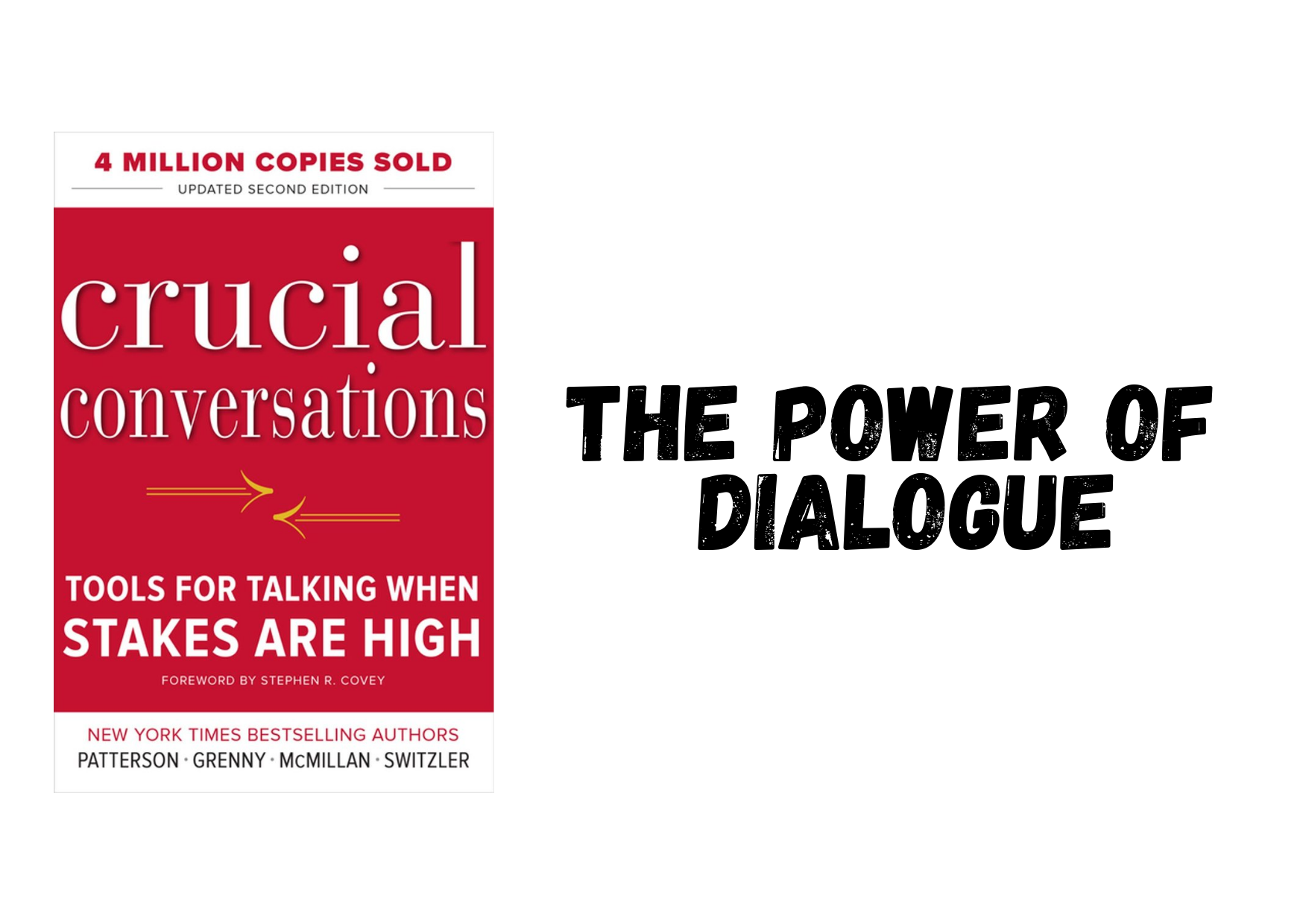
In this new series of articles about how to manage crucial conversations we will continue to deep dive in learning tools for talking when stakes are high. In the previous article we defined what a crucial conversation is, and the current one we will address the power of dialogue.
What makes one of your conversations crucial as opposed to plain vanilla? First, opinions vary. For example, you’re talking with your boss about a possible promotion. She/he thinks you’re not ready; you think you are. Second, stakes are high. You’re in a meeting with four coworkers and you’re trying to pick a new marketing strategy. You’ve got to do something different or your company isn’t going to hit its annual goals. Third, emotions run strong. You’re in the middle of a casual discussion with your spouse and he or she brings up an “ugly incident” that took place at yesterday’s neighborhood block party. Apparently not only did you flirt with someone at the party, but according to your spouse, “You were practically making out.” You don’t remember flirting. You simply remember being polite and friendly. Your spouse walks of in a huff.
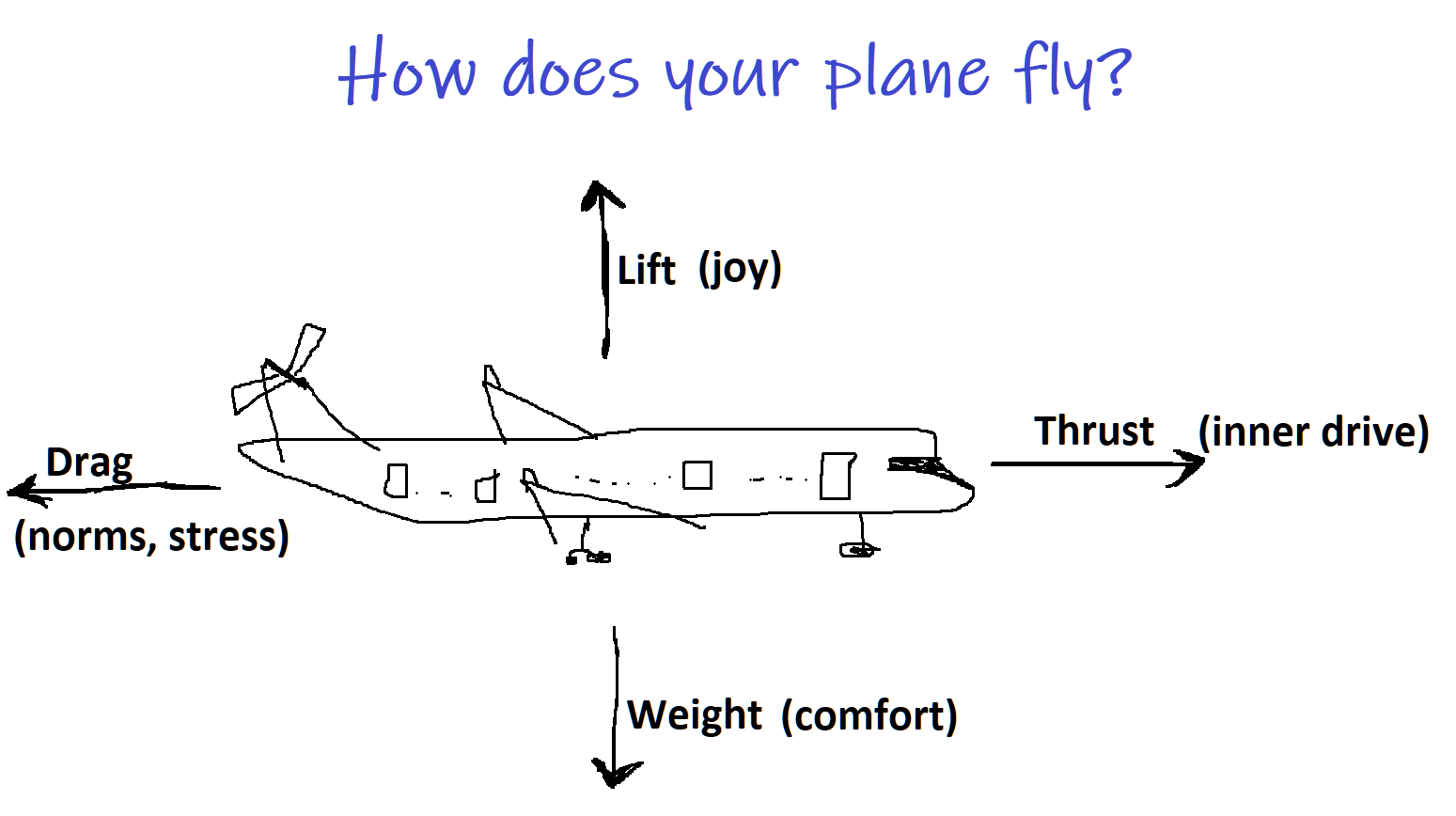
We already covered how to “Communicate Unequivocally” and “Lead Responsibly” so it’s time for the 3rd article related to the book “Dark Cockpit”. Let’s talk about how to have a plan for helping us to control or manage the unpredictable.





 alin miu