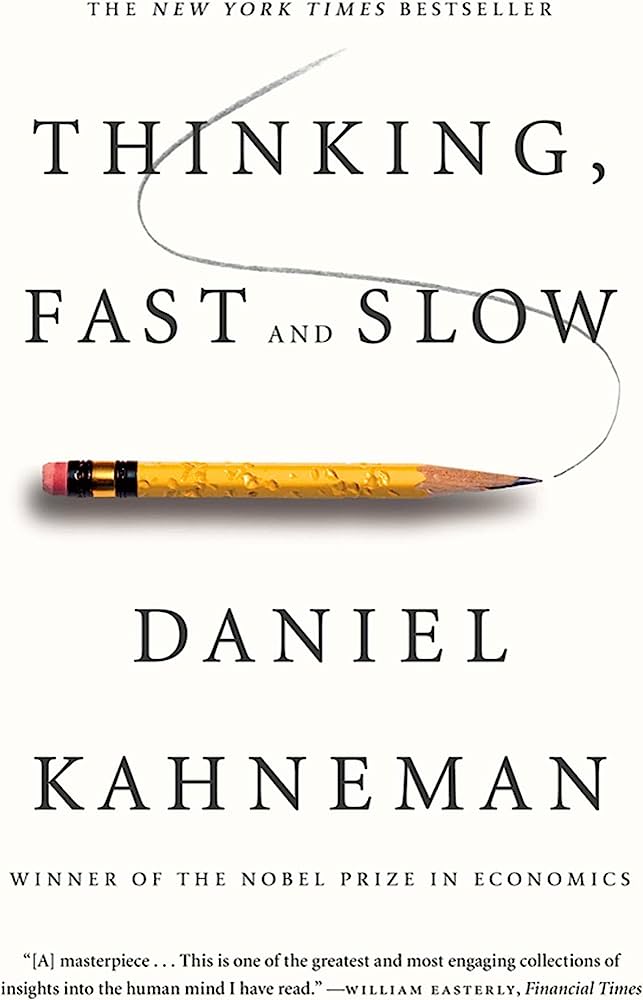
Thinking Fast and Slow

Aim for watercooler conversations: improve the ability to identify and understand errors of judgment and choice, in others and eventually in ourselves, by providing a richer and more precise language to discuss them.

Social scientists in the 1970s broadly accepted two ideas about human nature. First, people are generally rational, and their thinking is normally sound. Second, emotions such as fear, affection, and hatred explain most of the occasions on which people depart from rationality.

Continue reading
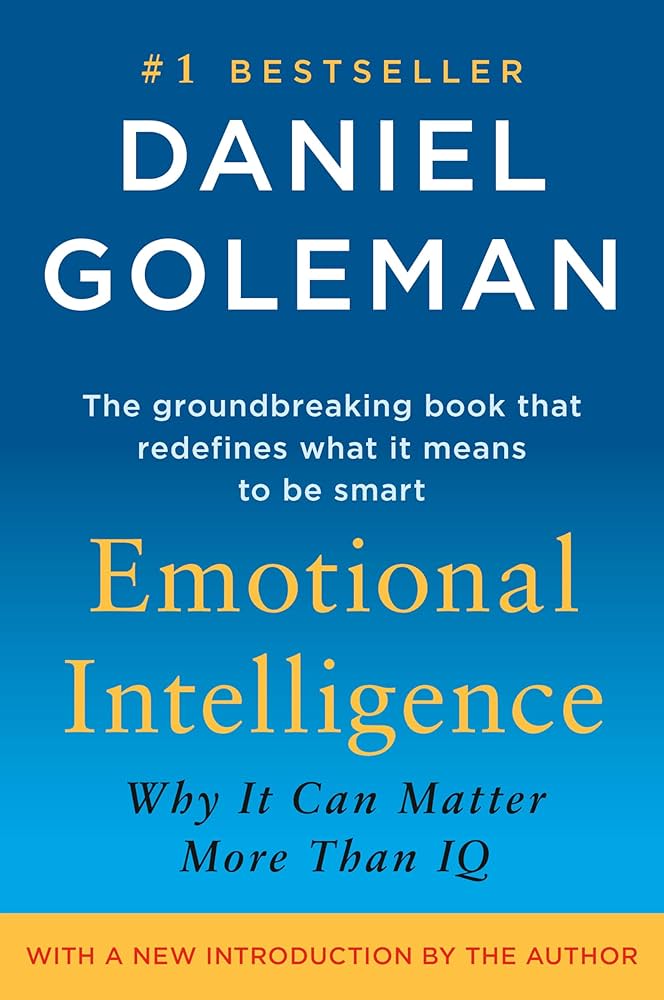
Emotional Intelligence

The self-management competencies defined by Daniel Goleman model, each had become fads, but under different names after the introduction of this book. Positivity has been called “growth mindset”, achievement “grit”, adaptability “agility”, and emotional regulation “resilience”. Each of these emotional intelligence abilities matter – but all share a weakness if taken alone: they lack empaty and all the rest of the social skills found in the relationship management part of EI.

Continue reading

Managing Conflict at Work

Managing conflict is broader than what most people understand as ‘mediation’, which we might paraphrase as: ‘an intervention between disagreeing parties involving a third party, aimed at bringing the dispute to a conclusion that both can accept’. It is a responsibility that needs to be shared by the whole management team of any organization as much as with those who might often be though of as ‘the conflict specialists’:

  • front-line managers can play a vital role in recognizing the early stages of potential unproductive conflict, step in and stop many disputes from developing further, as well as helping to minimize or prevent conflict from happening in the first place
Continue reading

Games people play

Structural analysis

Observations on spontaneous social activities show that, from time to time, people visibly change their body position, point of view, tone of voice, vocabulary, or even other aspects of their behaviors. These behavioral changes are often followed by emotional changes. These changes and differences can be called “ego states”.
Each individual seems to have a limited set of such ego states, and they should not be mistaken with roles, but they are philological realities.
This set of states can be grouped into the following categories:

Continue reading